








Furnace Repair vs. Replacement: Which Option Makes Sense?
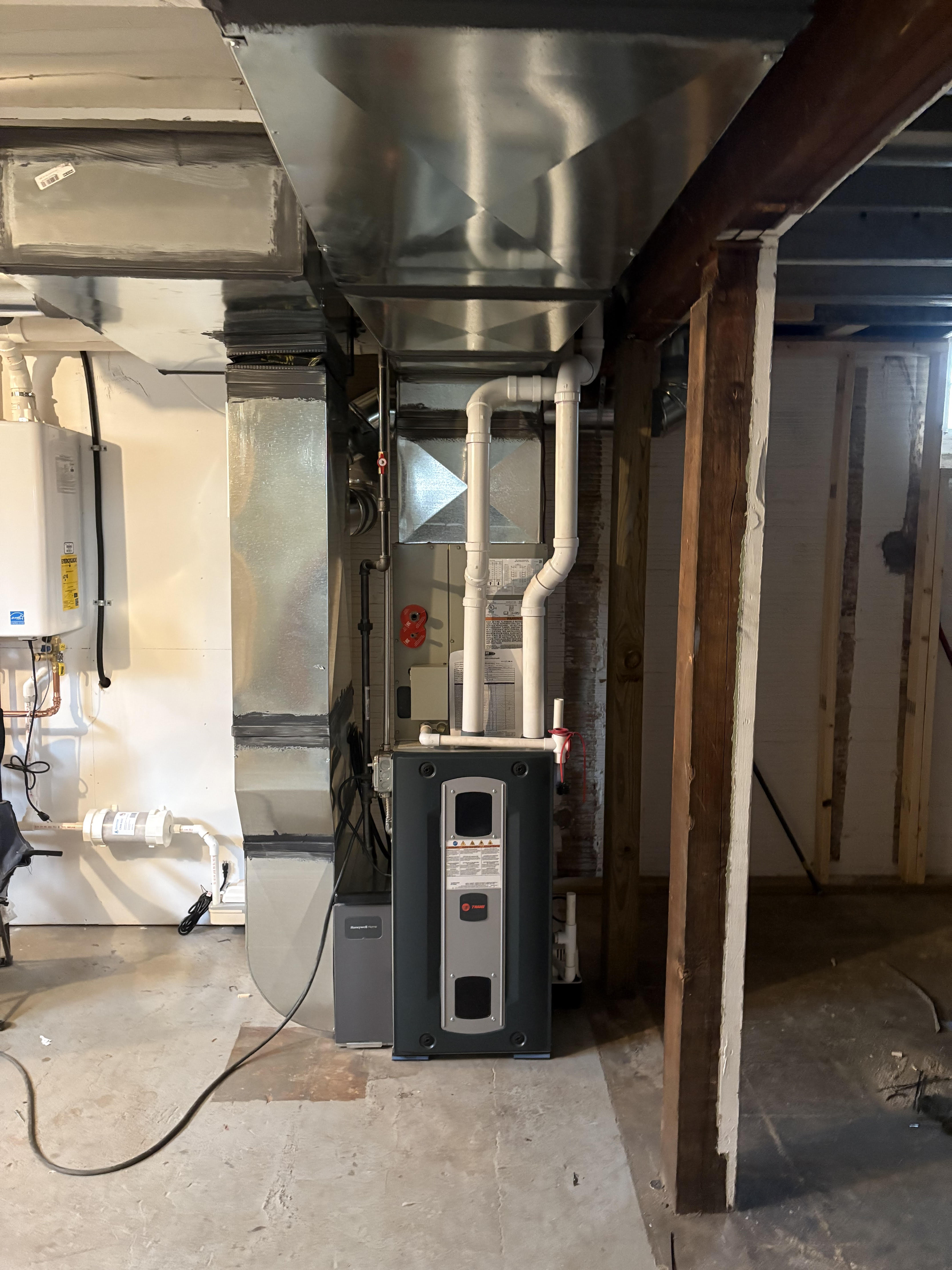
Wondering whether your furnace needs a repair or a complete replacement?
When your furnace stops working properly, the first question is often: Should you repair it or replace it? While a quick repair may be all your heating system needs, there are situations where investing in a new furnace can provide better long-term value.
For homeowners searching for furnace repair in Ann Arbor, understanding the difference between a worthwhile repair and a sign that replacement is necessary can make the decision much easier.
Our guide breaks down the key factors homeowners should consider, including the furnace’s age, repair costs, energy efficiency, and frequency of breakdowns, so you can make a confident decision before winter arrives.
When Is Furnace Repair the Better Option?
A furnace problem doesn't necessarily mean it's time for a new heating system. In many cases, a professional repair can restore your furnace's performance and keep it running reliably for years to come.
The Furnace Is Relatively New
If your furnace is only a few years old and has otherwise performed reliably, repairing it is usually the more practical choice. Newer systems can still experience issues with components such as igniters, thermostats, blower motors, or sensors.
Replacing an otherwise functional furnace because of one repair is rarely necessary.
The Repair Is Relatively Minor
Some furnace problems are straightforward to fix. A faulty electrical component, worn belt, clogged filter, or malfunctioning thermostat may be resolved without replacing the entire system.
A professional technician can diagnose the problem and explain whether the repair is likely to provide a lasting solution.
Your Furnace Has Been Reliable
Consider the furnace's overall track record. If this is the first significant problem you've experienced in several years, repairing it may make sense.
One isolated repair doesn't necessarily indicate that a furnace is nearing the end of its useful life.
When Should You Consider Furnace Replacement?
Sometimes, continuing to repair an aging furnace can become more expensive and inconvenient than replacing it. Several warning signs may indicate that a new system is worth considering.
Your Furnace Is Getting Older
Most furnaces have a lifespan of roughly 15–20 years, although actual longevity depends on factors such as maintenance, usage, installation quality, and operating conditions.
As a furnace gets older, components can begin wearing out more frequently. If you're repeatedly calling for furnace repair in Ann Arbor because of an aging system, it may be time to compare the cost of continued repairs with the investment in a replacement.
Repairs Are Becoming More Frequent
One repair isn't necessarily a concern. Multiple repairs in the same year are a different story.
If breakdowns are becoming increasingly common, those repair bills can quickly add up. A replacement may provide greater reliability and reduce the likelihood of another unexpected heating problem during the winter.
The Repair Is Expensive
The cost of the repair is another important factor. A small repair on a relatively young furnace may be an easy decision. A major repair on an older furnace deserves more consideration.
If you're facing an expensive component replacement, ask:
- How old is the furnace?
- How much has already been spent on repairs?
- How frequently has the furnace broken down?
- How much longer is the system realistically expected to last?
- Would a newer, more efficient furnace reduce operating costs?
Looking at the bigger picture can help you avoid putting significant money into a system that's nearing the end of its service life.
Is Your Furnace Becoming Less Efficient?
A furnace that once kept your home comfortable may gradually become less efficient as it ages.
You might notice:
- Increasing heating bills
- Uneven temperatures throughout the house
- Longer heating cycles
- More frequent repairs
- Strange noises or odors
- Difficulty maintaining your thermostat setting
While some of these issues can be caused by repairable problems, they can also indicate that the furnace is struggling due to age or wear.
A professional inspection can help determine whether improving the existing system or replacing it makes more sense.
Don't Ignore Safety Concerns
Certain furnace problems should never be ignored.
Issues involving the heat exchanger, combustion system, carbon monoxide, or other safety-related components require immediate professional attention. If a technician determines that a furnace poses a safety risk and the repair is extensive or unreliable, replacement may be the safest option.
If you notice unusual odors, soot, abnormal flames, repeated shutdowns, or other concerning changes in furnace operation, have the system inspected by a qualified HVAC professional.
Get Professional Advice Before Making the Decision
Trying to decide between furnace repair and replacement can be difficult when you don't know exactly what's wrong with your system. Instead of automatically choosing the least expensive option upfront, consider the short- and long-term costs of each choice.
A professional HVAC technician can inspect your furnace, identify the problem, explain your options, and help you determine whether repairing your existing system or investing in a new furnace is the better solution.
Need Furnace Repair in Ann Arbor?
Don't wait for a small furnace problem to turn into a major winter headache. Professional furnace repair in Ann Arbor can help identify problems early and determine whether your existing system can be repaired or if replacement is the smarter long-term investment.
Contact our crew today to schedule a furnace inspection and get the answers you need to keep your home comfortable all winter long.